
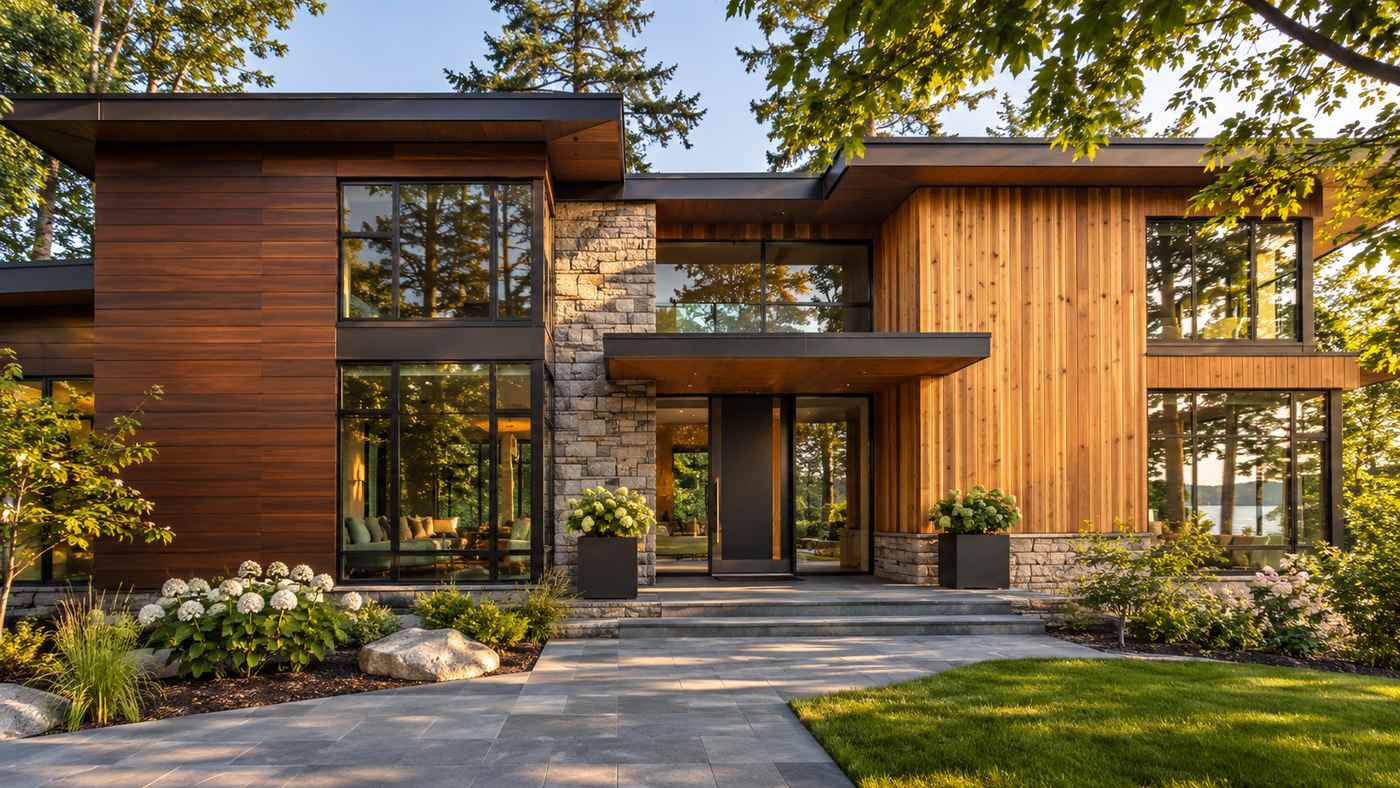
Choosing an exterior finish is about more than matching a colour to a building. The search for wood-look panels aluminum vs real wood brings together two very different ways to achieve a warm timber appearance: factory finished metal products and boards cut from genuine trees. Both can create attractive facades, privacy screens, soffits and architectural accents, yet they respond differently to moisture, sunlight, movement and maintenance. The best option depends on the exact product, local climate, construction details and the owner’s priorities. This guide compares appearance, weather performance, care, installation, safety, cost and environmental considerations so homeowners and designers can make a well supported decision without relying on blanket durability claims.
What Is the Difference Between Aluminum Wood Look Panels and Real Wood?
In a wood-look panels aluminum vs real wood comparison, the first task is identifying the materials. Wood look aluminum products can be solid extrusions, roll formed sheet profiles or aluminum composite panels with a decorative timber finish. Their strength, joint design and coating performance differ, so the word aluminum alone does not fully describe them.
Real timber cladding uses boards made from wood species chosen for outdoor exposure, or modified and treated wood intended for the relevant conditions. It has naturally varying grain, knots and colour. Species, grade, finish and preservative treatment all influence how it ages.
Solid Aluminum Is Not the Same as Composite Cladding
A solid metal profile and a composite sheet with two aluminum skins around a core can look similar from a distance. However, the core affects fire behavior, structural characteristics and permissible uses. Before selecting a product, request its actual composition and technical documentation.
Define the Intended Application First
Specify the location and performance needs before choosing a finish. A product approved as an interior accent may not be suitable for an exposed exterior wall. Ask the supplier for documentation covering the actual use, not only a decorative brochure.
1. Compare Appearance, Texture and Architectural Character
For many homeowners, wood-look panels aluminum vs real wood begins as a visual choice. Real timber has natural variation that is difficult to replicate exactly. That variation can be desirable in traditional houses, contemporary cabins and projects where the materials are meant to reveal their natural origin.
Aluminum wood look panels offer more controlled colours and repeated profiles. They may suit crisp modern elevations, uniform screening and designs where a consistent finish across many metres is important. More convincing products use detailed grain patterns and textured coatings, but printed repetition can become noticeable across a large wall.
Examine Samples Outdoors
Do not decide from a small website image alone. Request actual samples, view them in daylight and observe the surface from close range and from the street. In a wood-look panels aluminum vs real wood comparison, viewing full size samples helps reveal differences that photographs conceal.
Consider How Each Surface Ages
Real wood may silver or change tone as it is exposed to the weather, depending on species and finish. Some owners welcome that natural patina; others prefer maintaining the original colour through appropriate coatings. Factory finished aluminum generally aims for a more consistent manufactured appearance, but coatings can fade, chalk or suffer scratches. A realistic choice includes the appearance you will accept years after installation, not just on the first day.
2. Evaluate Moisture, Weathering and Durability
In wood-look panels aluminum vs real wood, water management is more important than any simple claim that one material is weatherproof. Natural wood absorbs and releases moisture from its surroundings. That can cause movement across the grain. Without suitable species selection, protective detailing and drying opportunities, prolonged moisture can contribute to decay and deformation.
Aluminum does not rot like timber and normally develops a protective oxide surface. However, this does not mean every aluminum panel is immune to deterioration. Coatings may deteriorate, dissimilar metal contact can promote corrosion, and highly saline or industrial environments may require specialised finishes and fixings.
Protect the Wall Behind the Cladding
Depending on the approved system, flashing, a weather resistant layer, a drained cavity and suitable ventilation manage wind driven rain and allow drying. Timber boards also need details that avoid moisture traps and protect vulnerable ends.
For wood-look panels aluminum vs real wood on an exposed building, ask how the entire facade will manage water, not just how the visible boards resist it.
Account for Local Exposure
Strong sunlight, coastal salt, driving rain, humidity and repeated temperature changes influence performance. Aluminum products intended for sheltered inland settings may need upgraded coatings near the coast.
Do Not Assume a Universal Service Life
There is no defensible single lifespan for either choice. Compare product specific evidence, realistic maintenance expectations and documented limitations instead of advertisements promising permanent protection.
3. Understand Cleaning, Refinishing and Routine Maintenance
Maintenance is a leading reason people compare wood-look panels aluminum vs real wood. Many factory finished aluminum profiles need periodic cleaning rather than routine staining. Yet low maintenance is not no maintenance. Dirt, salt deposits and pollution may need more frequent removal, and damaged finishes may require manufacturer approved repair.
Real wood can offer more flexible refinishing. Depending on the species and coating, a timber facade can be cleaned, repaired, stained or recoated to change its appearance. In return, exposed wood may require repeated inspection and finish renewal. The appropriate interval depends on sunlight, rainfall, coating quality, orientation and surface condition; a single fixed schedule is unreliable.
A Practical Aluminum Care Routine
Inspect joints, flashings, fixings and surface damage periodically. Clean with methods approved for the exact coating, commonly using water, a compatible mild cleanser and a soft cloth or brush. Avoid harsh abrasives and unapproved solvents. Follow any special cleaning requirements for coastal or heavily polluted sites, and document maintenance when warranty terms require it.
A Practical Timber Care Routine
Check for cracked coating, raised grain, loose boards, moisture trapping and discoloured areas. Follow the wood supplier’s recommendations for cleaning and surface treatment. Give special attention to cut ends and penetrations, where water may enter more readily. Timely maintenance can be easier than repairing widespread deterioration after prolonged neglect.
Compare Access Costs
When choosing wood-look panels aluminum vs real wood for a multistorey facade, include scaffolding, lifts or professional access costs. A finish that requires less frequent work can offer value even when its material price is higher. On an accessible ground floor accent wall, refinishing timber may be straightforward and affordable.
4. Review Installation, Movement and Building Details
In wood-look panels aluminum vs real wood, the two options require different allowances for movement and fixing. Aluminum expands and contracts with temperature changes. Real wood mainly changes dimensions in response to moisture, especially across its grain. Installers should follow the approved product system rather than copying techniques from one material to the other.
Aluminum profiles may use concealed clips, rails, brackets or specified mechanical fasteners. Timber cladding needs suitable support battens, spacing, compatible fasteners and details matched to the species, profile and orientation. Both may require engineered support for local wind loads and substrate conditions.
Pay Attention to Joints and Edges
For wood-look panels aluminum vs real wood, poorly planned joints can undermine both appearance and performance. Confirm how corners, windows, doors, transitions and exposed ends will be finished. Allow drainage paths where required, and avoid trapping water behind a decorative feature.
Use Qualified Installers for Exterior Systems
A professional installer should review manufacturer requirements and applicable building codes before ordering. Confirm whether the product is approved for the project height, location and wall construction. In some cases an architect, engineer or fire professional must assess the entire assembly.
Request a Mockup for Complex Projects
For wood-look panels aluminum vs real wood used on a large commercial facade, a small installed mockup can reveal colour, texture, joint spacing and workmanship issues before the full order is placed.
5. Check Fire Performance, Structural Use and Safety
Fire considerations make wood-look panels aluminum vs real wood a technical building decision, not simply a styling question. Solid aluminum is a noncombustible metal, but the complete cladding assembly may include coatings, membranes, insulation and other components. Aluminum composite panels require particular scrutiny because core materials can differ substantially in combustibility. A timber finish on the outside provides no reliable indication of fire classification.
Real wood is generally combustible unless it has been appropriately treated, and the permitted use can depend on building type, height, exposure and local rules. Fire retardant treatment may alter performance, but an advertised treatment is not a substitute for appropriate test evidence and approval of the full system.
Ask for System Level Documentation
Request current fire test reports, product approvals and instructions relevant to your jurisdiction. Ask whether a classification applies to the panel alone or to the tested wall assembly, including cavity barriers and insulation.
Separate Decorative From Structural Functions
In wood-look panels aluminum vs real wood projects, neither decorative aluminum profiles nor ordinary timber cladding boards should be assumed to support building loads. Specify structural elements separately and seek appropriate engineering review where needed.
6. Compare Upfront Price With Lifetime Ownership Cost
Timber costs differ considerably among species, grades, treatments and finishes. Aluminum costs vary with profile thickness, alloy, coating system, fabrication and fixing hardware. Labour, access equipment and the difficulty of detailing can outweigh the headline price of panels.
A fair quote should include the same area, approved wall assembly, trim, fasteners, preparation, waste and installation. Look beyond a per square metre panel price that leaves out essential supporting materials.
Make a Simple Ownership Calculation
Add the initial installed cost to likely inspection, cleaning, repair and refinishing expenses over a timeframe suitable for your project. For instance, a more expensive panel may be attractive when access for future painting is difficult. Alternatively, responsibly maintained wood can be economical where local supply and regular upkeep are practical. The result depends on actual quotations and documented maintenance needs.
Include Repairs and Replacement
A damaged aluminum profile may require a matching replacement, and a discontinued finish can make colour matching difficult. Timber boards can sometimes be repaired or refinished individually, although matching weathered wood also takes care. Ask which spare parts and matching profiles are likely to remain available.
Examine Warranty Exclusions
When assessing wood-look panels aluminum vs real wood, read warranty conditions for finish fading, corrosion, installation quality, coastal exposure and required cleaning. Compare what is actually covered, for how long and by whom. A long written warranty is not equivalent to a guarantee against every form of damage.
7. Consider Environmental Impact and Material Sourcing
Environmental performance deserves a careful look in wood-look panels aluminum vs real wood. Aluminum production can require substantial energy, while recycled content and end of life recovery may change its overall footprint. Solid aluminum is recyclable through established metal recovery systems, but coatings, attachments and composite cores can complicate separation. Claims about recycled content should be checked against product documentation.
Timber is a renewable resource when forests are managed responsibly, and wood stores carbon during its service life. Yet transport, treatment chemicals, finishes, maintenance and disposal still affect the environmental result.
Request Evidence, Not General Labels
For either material, ask whether the manufacturer provides an environmental product declaration, credible sourcing information and clear end of life guidance. Environmental product declarations can support wood-look panels aluminum vs real wood comparisons when study scope and assumptions are compatible.
Design for Repair and Long Use
In the wood-look panels aluminum vs real wood debate, sound detailing and suitable specification contribute to durability regardless of the material selected. Ask how easily a damaged section can be replaced or refinished without disturbing the entire wall. Repairability matters when comparing ownership costs and waste.
Which Material Works Best for Different Projects?
There is no single answer to wood-look panels aluminum vs real wood because a shaded courtyard, exposed coastal facade and heritage renovation have different priorities. Aluminum can suit a contemporary elevation where consistent grain, crisp profiles and limited refinishing are important. Real timber may suit a project that values tactile authenticity and accepts natural change, periodic coating work and careful moisture management.
Exterior Walls and Architectural Screens
For wood-look panels aluminum vs real wood on high or difficult to reach surfaces, maintenance access and system approvals deserve particular weight. For privacy screens, check wind loading, fixing details and whether the chosen product is rated for that application.
Soffits, Entryways and Accent Areas
For wood-look panels aluminum vs real wood, protected overhangs and entryways can accommodate either material. Select finishing details that suit the architecture rather than forcing the same profile everywhere.
Make the Choice With a Clear Priority List
Prioritise the appearance you want, acceptable maintenance, installed budget, exposure, fire and structural approvals, and environmental evidence. Then compare actual products against those criteria. A useful wood-look panels aluminum vs real wood decision is specific to the building rather than dependent on generic marketing claims.
Common Mistakes to Avoid Before Buying
A frequent mistake is assuming that every wood grain aluminum product is a solid metal panel. Another is comparing the material price of unfinished softwood with the installed price of factory finished metal cladding. Such comparisons exclude important differences in treatment, support and labour.
Do not assume aluminum cannot corrode or that any timber will decay quickly. In wood-look panels aluminum vs real wood, performance is shaped by exposure, product specification, detailing and maintenance. Avoid selecting cladding solely from a digital rendering or believing an attractive sample guarantees compliance with fire requirements.
A Practical Buying Checklist
- Identify the complete composition, not merely the surface appearance.
- Request real samples and assess them outdoors beside adjacent finishes.
- Confirm moisture management, substructure, fasteners and movement allowances.
- Obtain relevant fire and building approvals for the entire assembly.
- Compare installed prices and realistic future maintenance costs.
- Read coating warranties and environmental documentation carefully.
- Ask about repairs, replacement profiles and local installer experience.
Frequently Asked Questions
Is aluminum wood look cladding more durable than real wood?
Not universally. Aluminum avoids biological rot, while timber durability depends on species, treatment, detailing and care. Coating quality and exposure also affect metal panels.
Does wood look aluminum require maintenance?
Yes. Factory finished aluminum usually needs periodic cleaning, inspection and prompt attention to damaged finishes. The frequency depends on exposure and warranty instructions.
Can real wood cladding be used outdoors in wet climates?
Yes, when suitable species or treatments, drainage, ventilation and maintenance are specified. Persistent moisture trapping increases the risk of deterioration.
Are all aluminum composite panels noncombustible?
No. Composite cores vary, and some are combustible. Check product specific fire tests and whether the full wall assembly meets local building requirements.
Which option costs less over time?
It depends on materials, installation complexity, access and future upkeep. Compare actual installed quotations and expected maintenance rather than panel prices alone.
Which looks more natural, wood look aluminum or real timber?
Real timber has authentic grain and natural variation. High quality aluminum finishes can look convincing, but some printed patterns repeat and both materials age differently.
Conclusion
Choosing between wood-look panels aluminum vs real wood begins with the building’s real needs rather than a promise that one material always wins. Aluminum can provide consistent design and reduced refinishing, while real timber offers genuine texture and the potential for renewal. Compare system approvals, moisture detailing, finish performance, lifecycle costs and environmental documentation before deciding. The strongest result comes from the right specification and skilled installation, whichever surface you prefer.
