
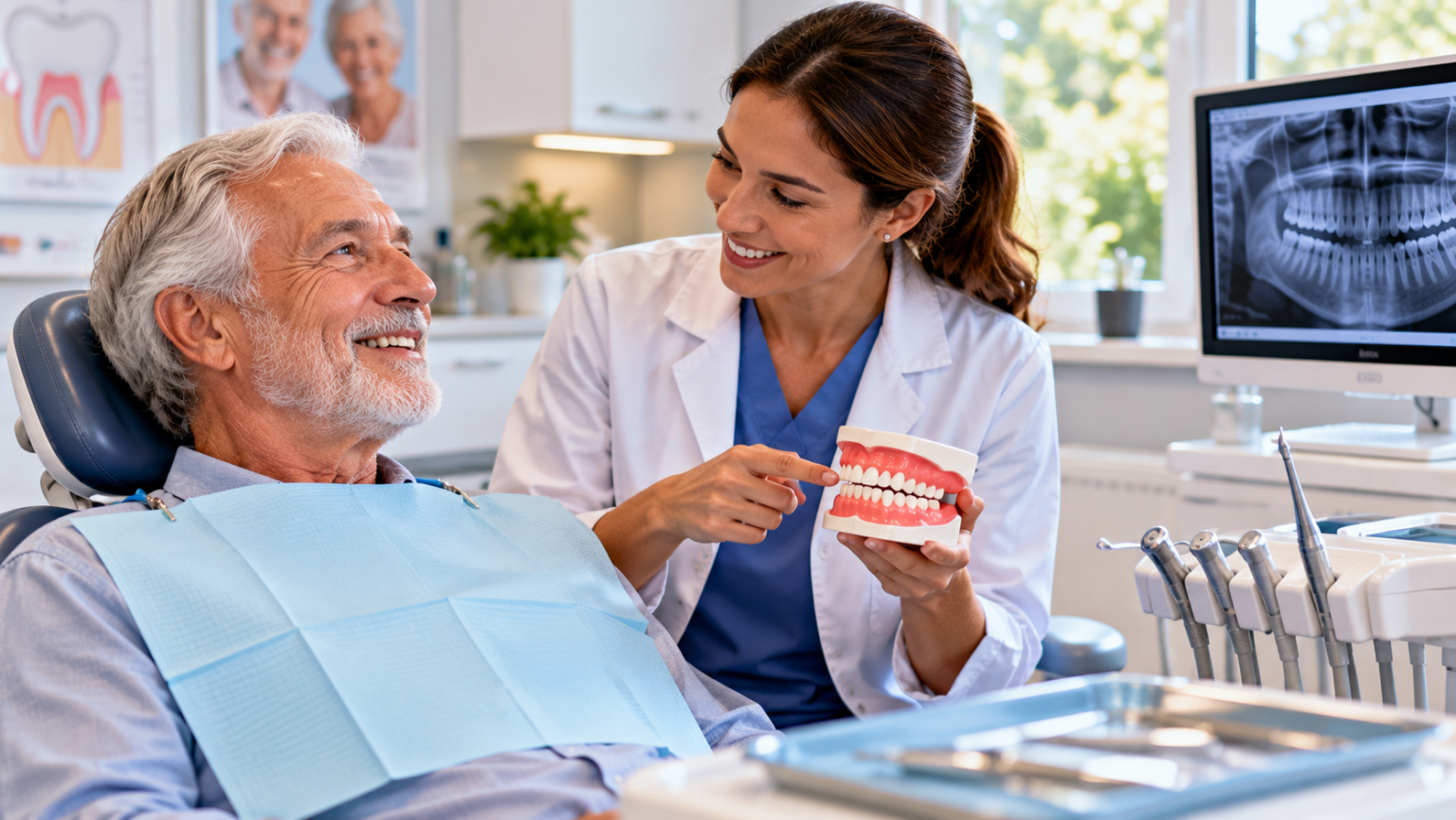
Maintaining a healthy, radiant smile becomes increasingly important as we journey through our senior years, serving as a vital foundation for total bodily wellness, proper nutrition, and personal confidence. As time passes, natural physiological changes alter enamel density, gum tissue elasticity, and salivary gland output, making teeth and gums more susceptible to age-related wear, decay, and infection. Fortunately, declining oral health is not an inevitable consequence of growing older. By adapting daily hygiene techniques, staying proactive with professional dental care, and supporting your body with rich nutrition, you can protect your natural teeth and enjoy a functional, confident smile for a lifetime.
Understand Age-Related Transformations in the Oral Cavity
As the human body matures, subtle biological shifts occur within the mouth that alter how teeth and gums react to daily mechanical stress and oral bacteria. Decades of chewing gradually wear down protective outer enamel, making teeth appear slightly darker while exposing underlying dentin to thermal sensitivity and microscopic hairline fractures.
Additionally, the sensitive nerve tissue located within the inner pulp chambers of teeth naturally shrinks and becomes far less responsive with age. While this reduced nerve sensitivity may lessen acute tooth pain, it can also mask the early warning signals of deep decay, cracked enamel, or nerve infection, allowing dental issues to progress silently without obvious symptoms.
Recognizing these age-related biological changes helps individuals remain vigilant rather than assuming a lack of physical pain indicates perfect dental health. Scheduling routine diagnostic checkups allows your dental team to detect hidden structural concerns early, preventing minor issues from becoming complex dental emergencies.
Combat Dry Mouth and Restore Essential Salivary Flow
Dry mouth, medically known as xerostomia, is one of the most widespread and damaging oral conditions affecting older adults today. While aging itself does not automatically stop saliva production, hundreds of common prescription medications—such as those used to manage high blood pressure, heart disease, depression, and chronic joint pain—drastically reduce salivary output.
Saliva plays a critical protective role in maintaining a balanced oral environment by continuously washing away food particles, neutralizing acidic bacterial byproducts, and delivering essential minerals like calcium and phosphate to remineralize delicate enamel. When salivary flow drops significantly, cavity-causing bacteria multiply rapidly, leading to accelerated root decay, persistent bad breath, and painful soft tissue irritation.
Managing dry mouth effectively requires proactive daily habits, such as sipping water consistently throughout the day to keep oral tissues thoroughly hydrated. Utilizing alcohol-free mouth rinses, chewing sugar-free gum containing xylitol, and running a cool-mist room humidifier near your bed at night stimulates natural moisture and shields exposed root surfaces from destructive acid attacks.
Recognizing the Common Warning Signs of Xerostomia
Persistent dry mouth manifests as a sticky oral sensation, frequent thirst, cracked lips, difficulty swallowing dry foods, and a burning sensation on the tongue.
Identifying low salivary flow early allows for targeted therapeutic interventions before widespread tooth decay develops. Managing oral moisture preserves natural enamel integrity.
Utilizing Over-the-Counter Salivary Substitutes and Products
Specialized moisturizing sprays, gels, and alcohol-free oral rinses coat delicate mucosal membranes, providing prolonged comfort and antibacterial protection.
Avoiding alcohol-based mouthwashes prevents further tissue desiccation and uncomfortable burning sensations. Formulated saliva substitutes restore protective oral balance naturally.
Prevent Periodontal Disease and Protect Receding Gums
Gum disease is not an unavoidable part of aging, but cumulative plaque exposure and subtle shifts in immune system responsiveness make mature adults particularly vulnerable to severe periodontal infection. Over time, gentle gum recession exposes soft root surfaces that lack protective enamel, leaving them highly susceptible to aggressive root cavities.
Periodontal disease develops when bacterial plaque hardens into stubborn subgingival tartar, triggering chronic tissue inflammation that systematically degrades supportive periodontal ligaments and underlying jawbone mass. Advanced periodontitis causes teeth to loosen, shift out of alignment, and eventually drop out if left unaddressed.
Preventing severe gum disease requires diligent daily hygiene and routine professional periodontal maintenance. Upgrading to an electric toothbrush, utilizing interdental brushes or water flossers daily, and scheduling biannual professional cleanings removes hidden subgingival plaque, preserving firm, healthy gum attachments around natural teeth.
Adapting Interdental Cleaning for Receding Gumline Spaces
As gums recede naturally over time, larger triangular gaps form between teeth where traditional string floss may leave behind hidden food debris and plaque.
Utilizing interdental brushes or specialized water flossing devices cleans wide interdental spaces thoroughly without irritating delicate soft tissues. Adapted cleaning tools optimize daily plaque removal.
Rebuilding Complete Smile Function After Tooth Loss
When severe periodontitis or trauma leads to irrecoverable tooth loss, seeking specialized restorative care helps rebuild complete chewing capability, clear speech, and jawbone stability.
Exploring options for dental implants in Harrisonburg, VA allows patients to replace missing teeth permanently with biocompatible posts that prevent jawbone loss and restore full daily function. Specialized tooth replacement protects long-term oral wellness.
Upgrade Daily Oral Hygiene Habits for Changing Dexterity
Maintaining traditional brushing and flossing techniques can become challenging for seniors managing hand arthritis, joint stiffness, stroke recovery, or diminished fine motor control. When physical dexterity declines, daily oral hygiene thoroughness often suffers, leading to rapid plaque accumulation along hard-to-reach back molars.
Fortunately, modern adaptive dental tools make thorough daily cleaning manageable and comfortable regardless of physical limitations. Replacing manual toothbrushes with ergonomic electric toothbrushes features wider handles, light pressure sensors, and automated oscillating heads that scrub plaque away effortlessly without requiring vigorous wrist motions.
Additionally, wide-handle floss picks, automated flossing devices, and pump-dispenser toothpastes simplify daily routines significantly. Modifying hygiene tools ensures seniors maintain pristine oral cleanliness independently, safeguarding their teeth against preventable decay.
Utilizing Ergonomic Electric Toothbrush Features
Electric toothbrushes deliver thousands of precise cleaning strokes per minute, removing significantly more plaque along the gumline than manual brushing.
Built-in quadrant timers ensure individuals brush for a full two minutes without straining hand muscles. Ergonomic handles improve daily brushing independence.
Modifying Traditional Hygiene Tools for Easy Grip
Wrapping foam grips, rubber tubing, or bicycle handle grips around manual toothbrush handles creates a thicker, slip-resistant surface for arthritic hands.
Customizing tool handles reduces joint strain, allowing for controlled, comfortable brushing. Adaptive modifications sustain consistent daily oral care.
Support Oral Health Through Nutrition and Systemic Wellness
Oral health does not exist in isolation; it is deeply interconnected with total systemic wellness and daily nutritional choices. Poorly controlled systemic conditions like type 2 diabetes impair the body’s immune response, making it much harder to fight off aggressive periodontal infections and accelerating jawbone loss.
Eat a balanced, nutrient-dense diet rich in calcium, vitamin D, phosphorus, and vitamin C to reinforce enamel density and support strong periodontal tissue recovery. Calcium-rich foods like leafy greens, almonds, and dairy strengthen structural bone, while vitamin C maintains resilient collagen fibers within the gums.
Limit frequent snacking on refined carbohydrates, sticky sweets, and acidic beverages like fruit juices or sodas that feed cavity-causing bacteria and erode thin enamel. Combining good nutrition with proper hydration builds a strong internal foundation that supports healthy teeth and gums for life.
Controlling Systemic Inflammation and Blood Sugar
Maintaining stable blood sugar levels reduces systemic inflammation, lowering the severity of periodontal infection and promoting tissue healing.
Coordinating care between your primary physician and dentist ensures systemic conditions are managed holistically. Integrated medical care protects oral stability.
Choosing Enamel-Friendly Anti-Inflammatory Foods
Incorporating fatty fish, crunchy vegetables, green tea, and berries supplies antioxidants that combat oxidative stress within oral tissues.
Crunchy vegetables stimulate natural saliva production during chewing, helping to cleanse teeth surface areas naturally. Anti-inflammatory foods nourish long-term dental health.
Conclusion
Maintaining your oral health as you age is an achievable, deeply rewarding goal that directly enhances your overall health, nutrition, and daily quality of life. By understanding age-related biological transformations, managing dry mouth proactively, preventing periodontal disease, adapting hygiene tools for changing physical needs, and supporting your body with rich nutrition, you can protect your natural smile for a lifetime. Aging gracefully does not mean settling for declining dental health; taking proactive, intentional steps today guarantees a strong, functional, and radiant smile that supports your vibrant lifestyle for all your years ahead.
